
 make preferable
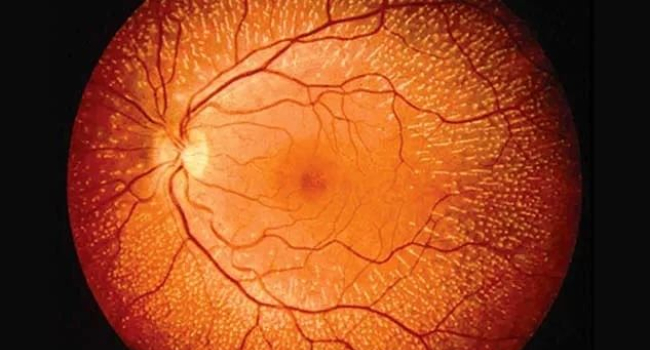
Scientists from the University of Otago, New Zealand, have found a relationship between the state of the retina and Alzheimer's disease. This discovery could be a new way to diagnose this disease in the early stages, JAMA Ophthalmology reported.
Experts analyzed the cognitive abilities and data on the condition of the nerve fibers of the retina and the ganglion cell layer of more than 865 people born between 1972 and 1973. All of these patients were followed up to 45 years of age.
The researchers compared the mental abilities (IQ, processing speed, perceptual thinking, and other criteria) of participants as children and as adults. As it turned out, thicker layers of ganglion cells and nerve fibers in the retina were associated with better cognitive performance in both younger and older adults.
And people with a thinner retina showed a reduced speed of mental function and reaction to the information received.





