make preferable
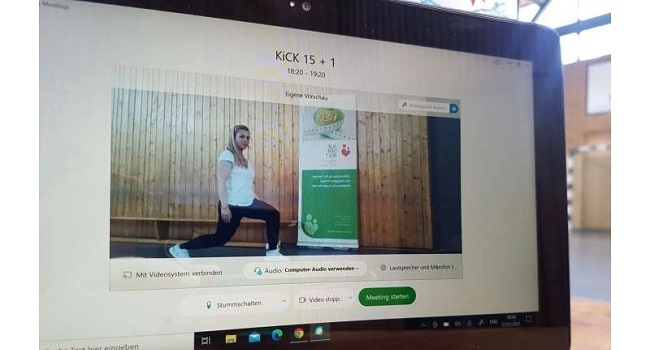
Obese children and adolescents experienced weight loss and improved metabolic health after undergoing a 12-month video-based weight loss program, according to a study presented at the 60th annual meeting of the European Society for Pediatric Endocrinology, Medical Xpress writes. Obesity is a growing global epidemic linked to many other long-term health problems, including type 2 diabetes and cardiovascular disease. Among obese children and adolescents, there is the added risk of psychological problems associated with the stigma of being overweight. These educational programs usually provide long-term outpatient treatment by attending regular classes aimed at changing diet and physical activity, as well as psychological counseling for children and their families. The restrictions imposed during the COVID-19 pandemic created new challenges for treating obese patients and required a new approach. In this study, Dr. Felix Reschke and colleagues from Germany studied the effectiveness of a weight loss video program in a group of 108 obese children and adolescents (ages 8-17) for 12 months. This comprehensive program included educational seminars and workshops on food choices, cooking and portion control, as well as sessions on more complex topics such as emotional eating and the health consequences of obesity. Educational content was supplemented by cooking sessions, a weekly newsletter with tips and current news, and even a dance performance. At the end of the study period, most participants showed improvements in metabolic health, including lower body mass index, lower blood lipid levels and reduced factors associated with insulin resistance. Participants also made better food choices, reducing portions and snacking less.
Scientists develop new effective treatment for obesity in children and adolescents