make preferable
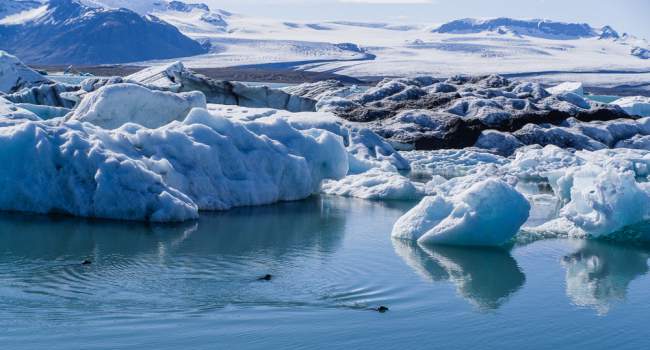
The next pandemic may not be caused by bats or birds. Analysis of soil and lake sediments from Lake Hazen, the largest freshwater lake located above the Arctic Circle, has shown that the risk of spreading new viruses increases as glaciers melt, The Guardian reports. And the situation will worsen as the ice recedes toward the poles, say scientists from the University of Ottawa in Canada, whose work was published in the journal Proceedings of the Royal Society B: Biological Sciences. In the study, the scientists collected soil and sediment samples from Hazen Lake near where meltwater from local glaciers drains. They then sequenced RNA and DNA in these samples to identify signatures that corresponded to viruses and bacteria they already knew, as well as animals, plants and fungi that could potentially host them. The researchers then ran an algorithm that estimated the likelihood of these viruses infecting unrelated groups of organisms. Analysis of the data showed that the risk of new host viruses was higher closer to places where more glacial meltwater flowed. However, the team did not calculate the number of viruses yet unknown, nor their ability to infect other organisms. The researchers intend to do so in the near future. The scientists also note that predicting a high risk of spread is not the same as predicting actual pandemics. As long as viruses and their potential vectors are not present in the same place at the same time, the likelihood of infection remains low. But existing models show that climate change will change the range of species, making such contacts more likely. Other recent studies have shown that unknown viruses may be present in glaciers. Last year, for example, researchers from Ohio State University in the United States announced they had found genetic material from 33 viruses, 28 of which are new, in ice samples taken from the Tibetan Plateau in China. Judging by their location, the viruses are estimated to be about 15,000 years old.