
 make preferable
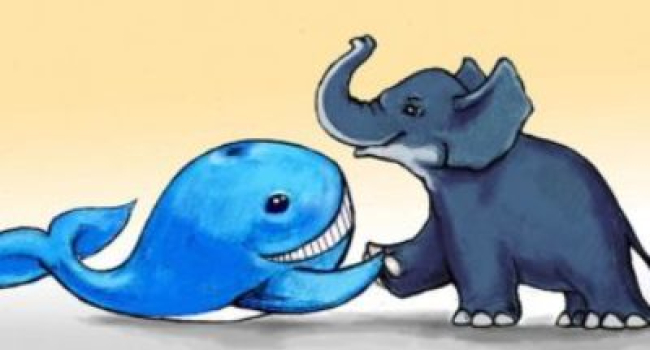
Cancer is caused by gene mutations that accumulate in cells over time. But long-lived animals, such as whales or elephants, almost never get cancer. Scientists call this phenomenon the Peto paradox.
Humans and many other animals have the p53 gene, which helps repair DNA damaged during replication. Elephants have 20 copies of this gene. And each has two alleles (variants). That is a total of 40 compared to humans, who have only one variant.
A new study by French scientists shows that this feature ensures the success of elephants against cancer. Robin Fareus, a molecular oncologist at France's National Institute for Health and Medical Research, believes this discovery will provide many new opportunities for repairing damaged genomes in humans.
In mammals, p53 plays a crucial role in preventing mutated cells from turning into tumors. It either initiates their repair or destroys them. In more than half of cancer cases in France, patients have lost this gene as a result of random mutations.
Sue Haupt, a cell biologist at the Peter McCallum Cancer Center in Australia who was not involved in the work, called the results fascinating.
According to Fox Chase Cancer Center virologist Virginia Pearson, the elephant gene feature could be an amazing resource for understanding the internal cellular response to DNA damage. The mechanism that allows whales to avoid cancer is still unexplored.





