make preferable
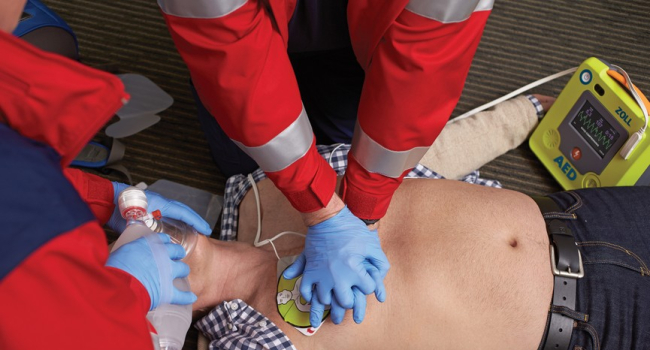
One in five survivors of cardiopulmonary resuscitation (CPR) after cardiac arrest can describe a conscious experience of death, say researchers from New York University. The results of the study will be presented during the American Heart Association's Scientific Symposium on Resuscitation on Nov. 6, 2022. The study included 567 men and women who had a cardiac arrest while hospitalized and underwent CPR between May 2017 and March 2020 in the United States and the United Kingdom. One in five participants reported unique conscious experiences, including a sense of separation from the body, observing events without pain or suffering as if from the outside and a meaningful assessment of life, including their actions, intentions and thoughts in relation to others. The researchers found that these experiences of death were different from hallucinations. The work also included tests of hidden brain activity. A key finding was the detection of bursts of brain activity, including so-called gamma, delta, theta, alpha and beta waves, up to one hour after CPR. Some of these brain waves usually occur when people are conscious and performing higher functions, including thinking and conscious perception. According to the scientists, these memories and brainwave changes may be the first signs of the so-called near-death experience, and they first recorded them in a large study. Their results suggest that while on the brink of death and in a coma, people have unique internal conscious experiences, the scientists noted.