make preferable
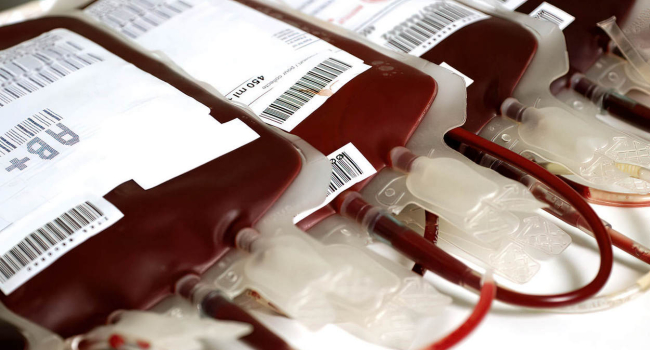
Lab-grown red blood cells were transfused to volunteers in the world's first clinical trial aimed at improving treatment for patients with sickle cell anemia and thalassemia. Two healthy volunteers were transfused lab-grown red blood cells as part of the Restore trial, which was jointly conducted by the University of Bristol and the UK National Health Service's Department of Blood Transfusion and Transplant (NHS Blood and Transplant). No adverse side effects were reported. This is the first case of lab-grown blood transfusion, and we're excited to see how well the cells are performing in a clinical trial, commented Professor Ashley Toye of the University of Bristol, who was involved in the study. Lab blood has two potential short-term benefits. First, this approach could solve the donor shortage for people with rare blood types who require regular transfusions, such as patients with sickle cell anemia and thalassemia. Second, the characteristics of lab-grown blood are expected to outperform donor material. The lifespan of red blood cells is about 120 days, and normal donor blood contains cells of varying ages. At the same time, lab-grown blood cells are all fresh, so they should perform better and last longer. This could reduce the frequency of transfusions and help avoid iron overload, a complication associated with repeated transfusions. People with blood diseases such as thalassemia or sickle cell anemia depend on regular blood transfusions or red blood cell exchange. Some require up to 12 units of blood every four to six weeks. Lab-grown blood is made from adult stem cells taken from donor blood. The stem cells are placed in a nutrient solution for 18 to 21 days, which stimulates the cells to multiply and develop into more mature cells. The cells are labeled with an indicator that allows them to be detected in the blood samples of study participants within six months of the initial injection of the cells. At least 10 participants are expected to receive two small transfusions at intervals of at least four months: one will include standard donor material and the other will include lab-grown cells. This is how scientists are going to find out whether young red blood cells obtained in the laboratory last longer than cells obtained in the body.