make preferable

In the study, researchers led by Diane Threapleton, of the
The study also looked at two categories of heart disease - “coronary heart disease” and “cardiovascular disease”.
The more fiber that people consumed, the lower their risk of both types of heart disease, the study found. Increased consumption of soluble fiber led to a greater reduction in cardiovascular disease risk than coronary heart disease risk. Meanwhile, cereal fiber reduced the risk of coronary heart disease more than the risk of cardiovascular disease, researchers found.
For every additional 7 grams per day of fiber consumed, there was a significantly lower risk of both types of disease, according to the study published online Dec. 19 in BMJ.
The British study found that adding just 7 grams per day of fiber to the diet boosts heart health. According to sports dietitian Dana Angelo White, people can get that amount of fiber from the following:
1 1/2 cups of cooked oatmeal (7 grams)
1 1/4 cups of shredded wheat cereal (8 grams)
Two slices of whole-wheat bread (6 to 7 grams)
One large pear (8 grams)
1 cup raspberries (8 grams)
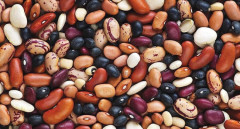
1/2 cup black beans (7.5 grams)
Whole grains — such as barley, bulgur, millet, quinoa, brown rice, rye, oats and whole wheat, along with fruits, vegetables, nuts and seeds — are part of a heart-healthy diet.