
 make preferable
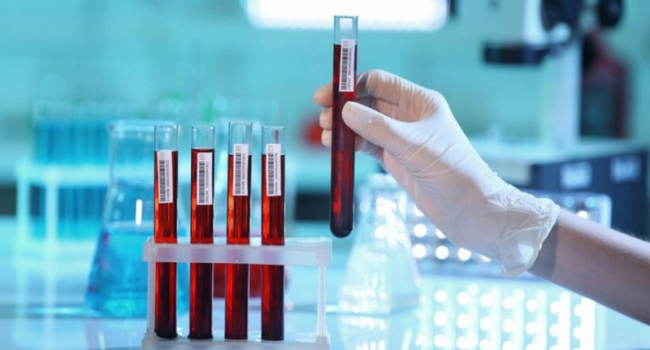
An international team of scientists from Monash University in Australia and the University of Birmingham in the UK has found a biomarker in human blood that indicates severe sleep deprivation. The study was published in the scientific journal Science Advances (SciAdv).
The biomarker determined whether people were awake for 24 hours, with a 99.2 per cent probability of being awake. This level of sleep deprivation increases the risk of serious injury or even death.
Since about 20 per cent of road accidents worldwide are caused by lack of sleep, the researchers hope that the discovery could help in future tests that can quickly and easily identify sleep-deprived drivers.
The biomarker could also be applied in other situations where sleep deprivation has the potential for catastrophic consequences, such as in workplaces involving critical safety hazards.
"There is strong evidence that sleeping less than five hours a night is associated with unsafe driving. However, getting behind the wheel after 24 hours awake is tantamount to driving under the influence of alcohol," said study leader Professor Claire Anderson.
The new test can be used for medical examinations and forensic examinations, the experts said, but the methodology needs to be improved.





