make preferable
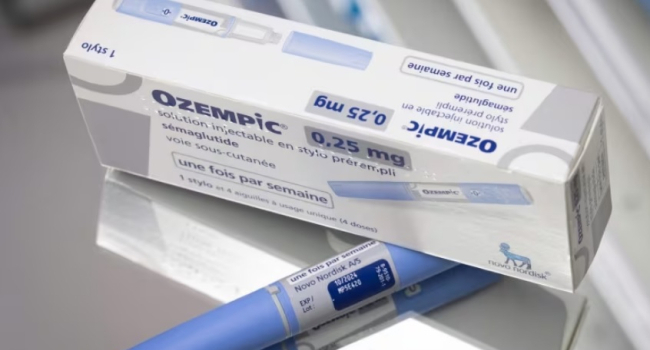
Researchers at Baylor College of Medicine have found that a popular weight loss drug, Ozempic, may prevent the progression of obese liver disease to cirrhosis. The findings are published in the journal JAMA Internal Medicine. Scientists explained that in a healthy liver, the amount of fat should not exceed 5% of the total weight. Higher numbers indicate obesity of the organ, which puts people at risk for cirrhosis and liver cancer, and creates the need for a transplant. Obesity and diabetes mellitus act as major risk factors for fatty liver disease. In the new study, scientists set out to find out whether Ozempic, which is specifically designed to target these diseases, could protect against fatty hepatosis and cirrhosis. To do this, they analyzed the health data of 32,000 volunteers with diabetes, attached to hospitals in the state of Virginia. The participants were monitored from 2006 through 2022. Researchers found that patients who were prescribed Ozempic and its analogs (GLP-1 agonists) had a 14% lower risk of progression of fatty liver disease to cirrhosis than those who took other diabetes medications. The likelihood of death due to worsening health conditions during the study was also reduced by 11% among GLP-1 users. The researchers noted that the protective effect of Ozempic was evident 18 to 24 months after treatment began. According to them, lowering blood sugar levels and preventing inflammation in the body act as the main mechanisms underlying the beneficial effects of the drug.