make preferable
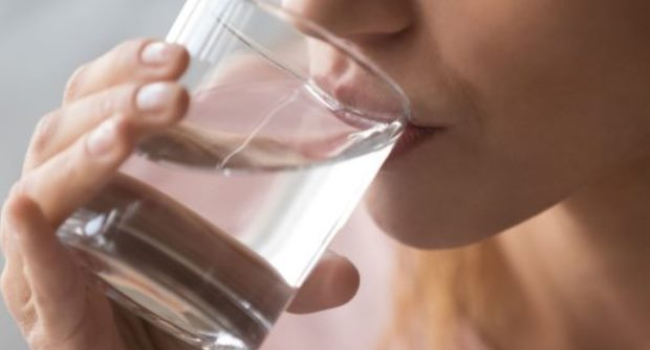
Drinking water when thirsty causes a hedonic response associated with the release of the neurotransmitter dopamine. Yuki Oka, a professor of biology at the California Institute of Technology, told Live Science. The scientist said that water seems especially tasty when the body experiences a significant loss of fluid - in the heat or after physical exertion. After drinking water, it takes about 30 minutes for it to be digested and enter the circulating bloodstream. However, the neurotransmitter dopamine, which is called the happiness hormone, begins to be released in the body at the very first sip. It is also known that introducing water into the body by other means (such as directly into the intestines and intravenously) does not induce the same satisfaction as drinking. Most likely, it is swallowing that releases the neurotransmitter. According to Oka, in a separate process, the act of swallowing also sends a message to specific MnPO (ventrolateral preoptic nucleus of the brain) neurons that the body is making up for the lack of fluid. The MnPO neurons then “turn off” the thirst neurons in the SFO (subfornical organ of the brain), which also potentially brings pleasure. However, swallowing is not the only mechanism that helps quench thirst. Once water enters the intestines, the body senses a change in the ratio of salt to water in the blood. This leads to an increase in levels of a hormone called vasoactive intestinal peptide (VIP). This hormone (not the water itself) helps activate neurons that send a signal to the brain that the body is satisfied.