make preferable
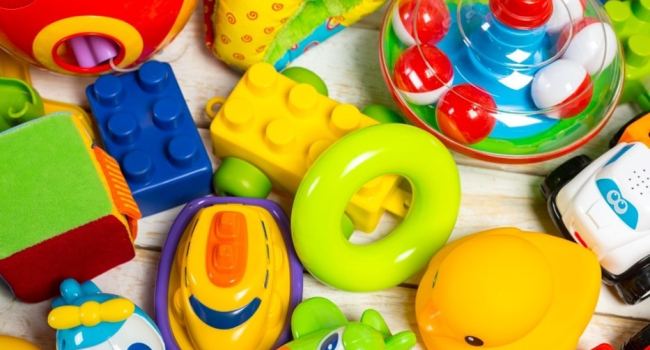
American geneticists from Harvard Medical School and other scientific institutions have found out that a common chemical from flexible plastics can have the strongest negative impact on the germ cells of animals. The study is published in the scientific journal PLOS Genetics. The chemical in question is benzyl butyl phthalate (BBP), which is a component of PVC and other polymer materials. BBP was and in some cases still is widely used in products such as vinyl flooring, furniture, gymnastic balls, children's toys and other products. The researchers exposed roundworms to 1, 10, 100 and 500 micrometers of BBF, studying the substance's effects on the creatures' sex cells using mass spectrometry and RNA sequencing. The result was an increased number of double-stranded DNA breaks in the invertebrate cells. Defects in meiosis (cell division with chromosome reduction) were also observed, with nuclei forming too early. Chromosome splitting became inaccurate, which can lead to offspring having an abnormal number of chromosomes. The study found that BBF causes oxidative stress, during which the body's antioxidant shield fails to neutralize the highly reactive toxin. As a result, the toxin is able to damage cells in the body. In the gonads, where eggs and sperm are formed, this can have very serious consequences for the next generation.
PLOS Genetics: Chemical from plastic toys suppresses sex cells, scientists find