
 make preferable
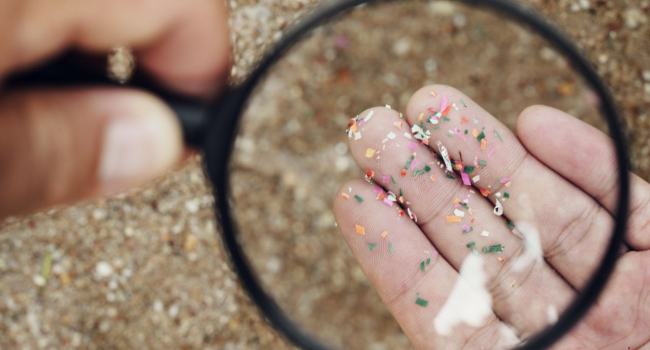
Scientists from the Faculty of Natural Sciences of the Norwegian University of Science and Technology have found that microplastic particles help pathogens dangerous to humans to survive during wastewater treatment. The respective research was published in the scientific journal PLOS One.
Sewage treatment products are designed to remove pollutants from sewage, but microplastics persist and can turn into sticky microbial biofilms.
In a new study, the aforesaid scientists have identified food-borne pathogens in plastispheres—plastic habitat ecosystems—that live in three types of sewage plastic. They created microorganisms and used genetic methods to study the diversity of these plastispheres.
The research team found evidence that pathogenic bacteria and viruses were present, including Listeria monocytogenes, Escherichia coli, norovirus, and adenovirus.
The scientists also successfully grew Klebsiella pneumoniae and Acinetobacter spp from raw and treated wastewater, indicating that the biofilms in the plastispheres likely protect the pathogens from the wastewater treatment.
These results highlight the potential of plastispheres for pathogen retention and propagation, which poses a challenge for safe wastewater reuse.
Without effective wastewater treatment and plastic waste management, wastewater can become a vehicle for the transmission of pathogens in the food chain associated with plastic.
The scientists added that it is necessary to develop and implement innovations for the complete removal of microplastic and its pathogens from wastewater.





