
 make preferable
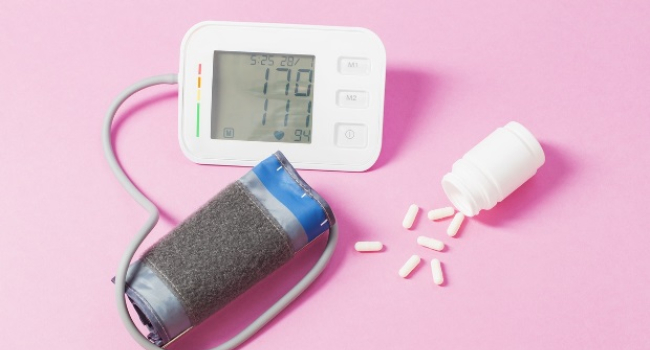
New research found that the medication spironolactone, often prescribed for hypertension (high blood pressure), may reduce the risk of heart failure in people recovering from a heart attack, reports the American Heart Association.
However, it did not significantly reduce the number of deaths or other severe heart-related events, according to late-breaking science presented on November 17at the American Heart Association’s Scientific Sessions 2024. This research is simultaneously published in the New England Journal of Medicine.
The CLEAR SYNERGY (OASIS 9) trial included more than 7,000 adults in 14 countries who had experienced a severe heart attack. The trial’s focus was to determine whether the routine use of spironolactone after a heart attack—regardless of whether the person had heart failure—could provide broader benefits in reducing the incidence of heart failure and death. Spironolactone is a mineralocorticoid receptor antagonist medication that blocks certain hormones.
The study was a randomized, double-blind, placebo-controlled clinical trial (meaning participants were randomly assigned to receive a test treatment or a sham/placebo treatment, and neither the researchers or the participants knew which group they were in) with four groups: spironolactone and colchicine—an anti-inflammatory medication; spironolactone and a placebo; colchicine and a placebo; or two placebos.
The trial’s results found:
- The overall rates of death from heart-related issues were similar between the spironolactone groups and the placebo groups (3.2% vs. 3.3%, respectively).
- Participants taking spironolactone (with or without colchicine) had a 31% lower risk of new or worsening heart failure than people taking colchicine with placebo or two placebos (1.6% vs. 2.4%, respectively).
- High potassium levels occurred at twice the rate within the spironolactone group compared to the placebo group (1.1% vs. 0.05%, respectively), leading to more participants discontinuing medication use.





