make preferable
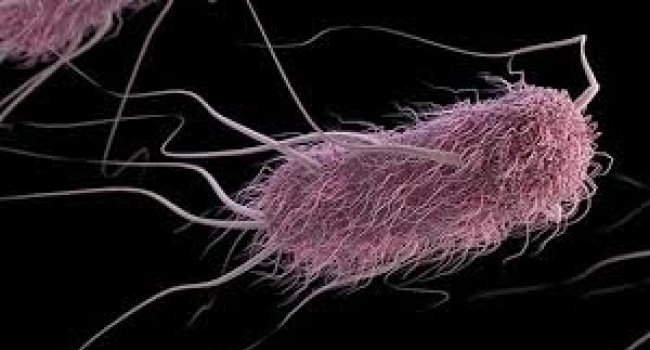
Bacteria modify their ribosomes when exposed to widely used antibiotics, according to research published today in Nature Communications. The subtle changes might be enough to alter the binding site of drug targets and constitute a possible new mechanism of antibiotic resistance.
Escherichia coli is a common bacterium which is often harmless but can cause serious infections. The researchers exposed E. coli to streptomycin and kasugamycin, two drugs which treat bacterial infections. Streptomycin has been a staple in treating tuberculosis and other infections since the 1940s, while kasugamycin is less known but crucial in agricultural settings to prevent bacterial diseases in crops.
Both antibiotics tamper with bacteria’s ability to make new proteins by specifically targeting their ribosomes. These molecular structures create proteins and are themselves made of proteins and ribosomal RNA. Ribosomal RNA is often modified with chemical tags that can alter the shape and function of the ribosome. Cells use these tags to fine tune protein production.
The study found that, in response to the antibiotics, E. coli begins to assemble new ribosomes that are slightly different from the ones produced under normal conditions. Depending on which antibiotic used, the new ribosomes lacked certain tags. The tags were specifically lost in the regions where antibiotics latch on to and halt protein production. The study found this made the bacteria more resistant to the drugs.
Bacteria are known to develop antibiotic resistance in different ways, including mutations in their DNA. Another common mechanism is their ability to actively pump and transport antibiotics out of the cell, reducing the concentration of the drug inside the cell to levels that are no longer harmful.
The study is evidence of an entirely new survival strategy. “E. coli is altering its molecular structures with remarkable precision and in real time. It’s a stealthy and subtle way of dodging drugs,” says Dr. Eva Novoa, corresponding author of the study and researcher at the CRG.