
 make preferable
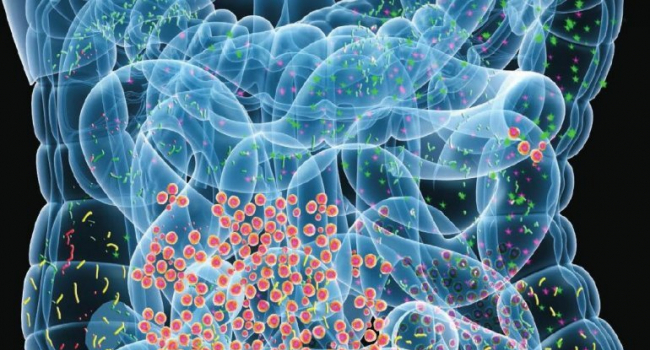
Researchers from Northwestern University (USA) have found that gut bacteria could be the reason for the increase in the human brain during evolution. The results of the research were published in the journal Microbial Genomics.
During the respective experiment, the scientists inoculated mice with germs from primates with big and small brains. The results showed that mice with germs from large-brained primates (humans and squirrel monkeys) produced and consumed more energy, while rodents with germs from small-brained species (macaques) stored more calories as fat.
This study shows for the first time that gut microbes can have an impact on biological differences between species, supporting the theory that gut microbiota can influence evolution by altering the body's metabolism and energy intake.
There have been previous studies comparing the effects of genes and environment on primates with different brain sizes, but how different primate species use energy remains poorly understood.
Gut microbes can produce compounds that affect metabolism, which can lead to, for example, insulin resistance or weight gain, said study co-author Katherine Amato, a professor at Northwestern University.
Altering the gut microbiota is an unexplored mechanism by which primate metabolism may help meet the different energy needs of the brain, the scientist added.





