
 make preferable
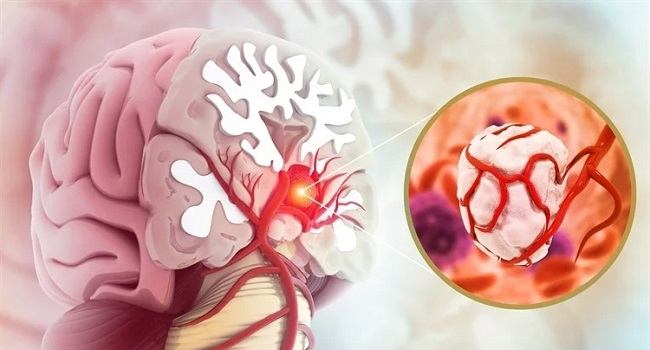
In a recent study published in Cancer Cell, scientists explore how daily glucocorticoid signaling influences glioblastoma growth and synchronizes its circadian rhythms with the host, reports News Medical.
Researchers examine the mechanisms by which glucocorticoid receptor activity, which varies by time of day, modulates tumor progression and how targeting circadian-driven tumor behaviors could be used to treat glioblastoma.
Glioblastoma is the most common and aggressive malignant brain tumor in adults, with limited survival outcomes despite extensive treatments, including surgery, radiation, and chemotherapy.
Glucocorticoids, which are often administered to reduce inflammation and cerebral edema in glioblastoma patients, are also under circadian regulation. Glucocorticoids can either suppress or promote tumor progression; however, the role of circadian rhythms in these effects remains unclear.
Understanding how circadian rhythms contribute to glioblastoma progression has the potential to clarify whether targeting these rhythms might enhance treatment effectiveness for glioblastomas.
In the present study, researchers use human and murine glioblastoma cell lines and in vivo models to study the impact of daily glucocorticoid signaling on tumor growth and circadian synchronization.
The current study reveals the critical role of daily glucocorticoid signaling and circadian rhythms in glioblastoma growth. By demonstrating the time-of-day dependency of glucocorticoid effects, circadian modulation emerged as a significant factor in tumor progression.
Taken together, these findings indicate that targeting glucocorticoid receptor signaling and leveraging circadian dynamics may improve therapeutic strategies. Thus, they support future studies investigating the potential importance of chronotherapy in glioblastoma management.





