
 make preferable
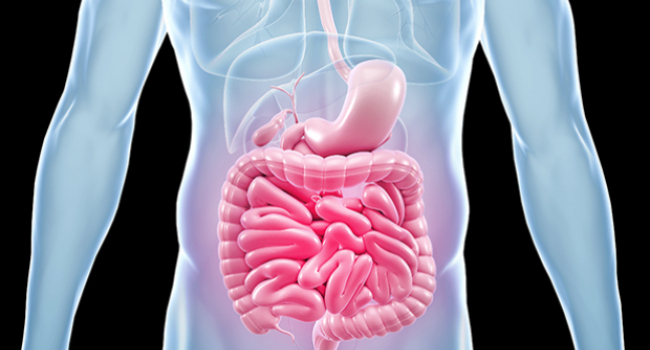
Chinese researchers have found that increasing the number of Bacteroides vulgatus bacteria in the gut helps to reduce sugar consumption and the risk of metabolic diseases. The findings of the respective study were published in the journal Nature Microbiology.
In the preliminary stages of this study, the researchers found in diabetic people and mice decreased levels of the protein FFAR4, which regulates the secretion of the hormone GLP-1, which regulates blood sugar levels and appetite. Reduced levels of FFAR4 were associated also with a decrease in Bacteroides vulgatus bacterium and its metabolite (metabolism product), pantothenate.
In experiments conducted on mice, researchers confirmed that pantothenate stimulates the release of the hormones GLP-1 and FGF21, which affect the hypothalamus, suppressing the desire for sweets. The intake of pantothenate or the abundance of Bacteroides vulgatus bacteria in the intestines of mice considerably reduced the desire for sweets.
According to the researchers, the new findings open up new prospects for creating remedies for obesity and Type 2 diabetes. The researchers speculate that they may be based on developing drugs that specifically increase the number of Bacteroides vulgatus in the gut. But they say more clinical studies are needed to explore the gut-liver-brain axis as a therapeutic target.





