make preferable
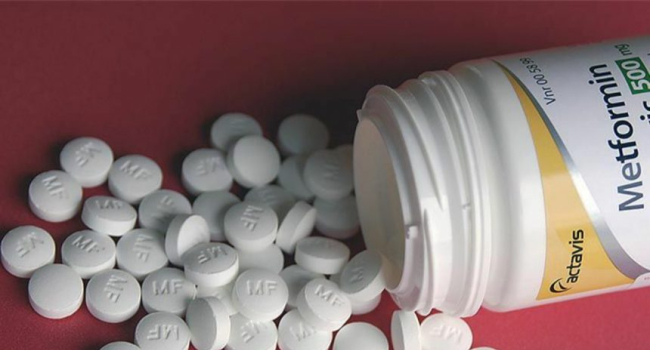
Scientists from Brown University (USA) have found that taking the sugar-reducing drug metformin can reduce the risk of malignant tumors on the surface of the skin. The results of the study are published in the Journal of Drugs in Dermatology. The study involved more than eight thousand patients with basal cell skin cancer, about 4,100 volunteers with squamous cell cancer and a group of healthy people consisting of more than eight thousand people. Each skin cancer patient's data was compared with information on four healthy people of the same age, race, ethnic group and gender. The results showed that participants of European descent who took metformin had a significantly reduced risk of developing malignant skin epitheliomas. Taking metformin showed no protective effect in black patients with squamous cell cancer. The researchers believe that this discrepancy may be due to the fact that in these patients, cancer often develops in areas of the skin not exposed to sunlight and is associated with chronic scarring and inflammation, which metformin may have no effect on. Scientists hypothesize that metformin may have a protective effect by regulating mechanisms that block cancer cells' access to energy and nutrients. The drug may also inhibit the ability of malignant cells to grow and multiply. The drug promotes the death of defective cells, enhances the immune response to cancer cells, reduces inflammation and prevents the formation of new blood vessels in skin tumors. The scientists suggested that further studies may confirm the possibility of using metformin as a chemopreventive agent to prevent skin cancer.