
 make preferable
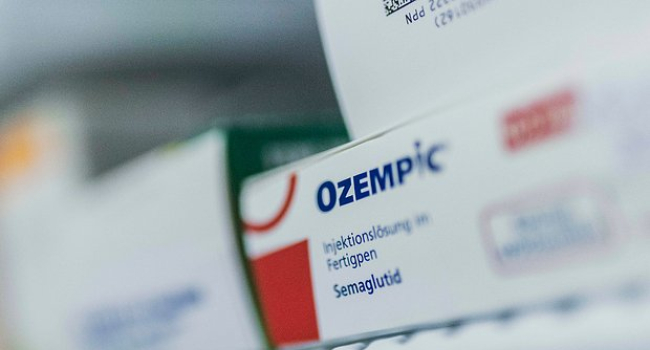
The blockbuster drug semaglutide, better known as Ozempic for diabetes and Wegovy for obesity, could also help people cut down on their alcohol intake, according to new research led by a University of Southern California (USC) investigator.
The findings, published in Journal of the American Medical Association (JAMA) Psychiatry, showed that weekly injections of semaglutide—compared with placebo injections—reduced alcohol craving, drinking quantity and the frequency of heavy drinking days in adults with symptoms of alcohol use disorder.
For the trial, researchers recruited 48 adults with alcohol use disorder who weren’t actively seeking treatment. They were divided into two groups to receive low doses of semaglutide or placebo injections. One week prior to the first injection, researchers invited participants to drink their preferred alcoholic beverage over a two-hour period in a comfortable, lab setting, with instructions to delay drinking if they wished. Researchers documented the amount of alcohol consumed. This phase of the study was necessary to find out how strong the participants' desire for alcohol was.
After completing the first phase, the volunteers continued treatment with semaglutide for two months. The weekly dosage was 0.25 mg for the first four weeks and 0.5 mg for the following weeks. At the end of the intervention period, clinical signs of alcohol dependence were reassessed.
Analysis of the volunteers' alcohol consumption records showed that those who took semaglutide generally drank the same amount as those in the placebo group. However, during the second month of treatment, the number of alcoholic beverages consumed by the volunteers in the first group decreased by 30% with. People taking semaglutide were also less likely to report being very drunk.
The researchers hypothesized that semaglutide affects the brain’s pleasure centers, reducing the appeal of not only food but also alcohol. Previous animal studies have shown that this substance suppresses also the release of dopamine when exposed to alcohol. The researchers believe this could reduce the motivation to drink alcohol in humans, too.





