
 make preferable
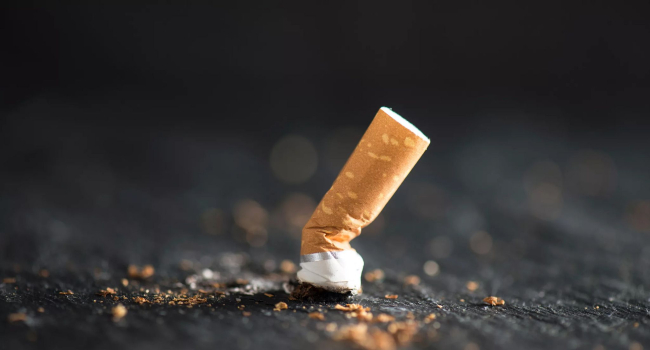
Researchers from the Dresden University of Technology (Germany), with the participation of Chinese colleagues, have proven that pollutants in cigarette smoke and butts contribute to the spread of drug-resistant bacteria in the environment and the penetration of pathogens into the human body, informs the aforesaid university.
The respective research findings were published in the scientific journal Environmental Health Perspectives.
Different bacterial species can exchange resistance genes via so-called plasmids—small DNA molecules that bacteria pass on to each other. This enables bacteria that were previously treatable with antibiotics to acquire resistance to these antibiotics making them no longer treatable.
The research team found that smokers could promote a faster spread of resistant germs in their own lungs, resulting in a lower effectiveness of administered antibiotics in the case of future lung infections.
The cigarette butts colonized with resistant and pathogenic bacteria can be transported to rivers, other waterbodies, or beaches, contributing to the spread of dangerous bacteria.
These researchers have called for stricter measures to destroy cigarette butts to prevent them from entering water sources.





