
 make preferable
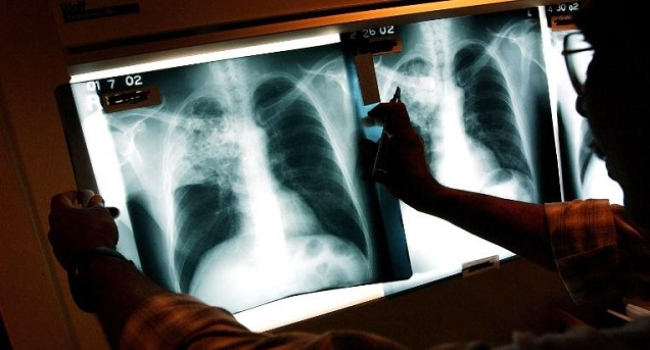
The number of tuberculosis cases in the European Region of the World Health Organization (WHO) in 2023 increased by 10% compared to 2022. This is according to the data of the report “Tuberculosis Surveillance and Monitoring in Europe” of the WHO Regional Office for Europe (ERO).
In the region, which covers 53 countries in Europe and Central Asia, more than 172,000 new TB cases and relapses were reported in 2023, which is comparable to the figures for 2022. Meanwhile, nearly 37,000 people were diagnosed in the EU-European Economic Area (EEA), up from 35,000 a year earlier. According to the report's statistics, children under the age of 15 account for 4.3% of new TB cases and relapses, an increase for the third consecutive year. Between 2022 and 2023, more than 650 new cases of TB among children were reported. A major concern is that in the case of one in five children with TB in the EU/European Economic Area, it is not known whether treatment has been fully completed. This uncertainty about treatment completion can lead to poorer treatment outcomes, such as the emergence of drug-resistant TB and its further spread.
As emphasized by WHO ERB Director Hans Kluge, “Even before the recent reduction in international development support, the world faced an $11 billion shortfall in the global response to TB”. Meanwhile, the impact of the COVID-19 pandemic continues to be felt in TB testing, prevention, diagnosis and treatment.
Multidrug-resistant tuberculosis (MDR-TB) remains a major problem in the WHO European Region, with treatment success rates for these patients well below expectations. Despite improvements in diagnosis and treatment, the persistence of MDR-TB and other forms of drug-resistant TB underscores the urgent need for more effective treatment strategies and improved patient management, such as new and shorter oral non-injectable regimens. HIV co-infection also remains an ongoing challenge for TB patients in Europe, with more than 15% of patients with new and relapsing tuberculosis co-infected with HIV in 2023. In the WHO European Region, the number was more than 19,000, while in the EU/EEA the figure was more than 600.





