
 make preferable
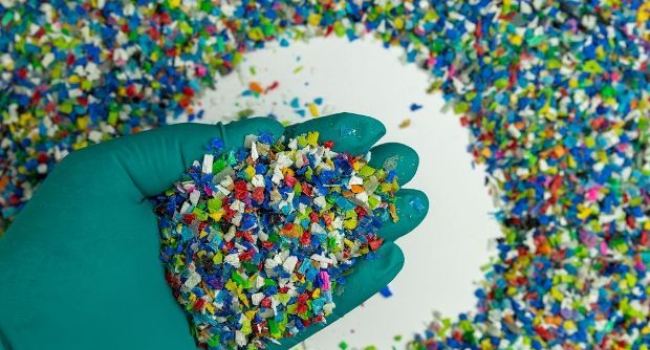
Tiny fragments of plastic have become ubiquitous in our environment and in our bodies. According to a new study presented at the American College of Cardiology Annual Scientific Sessions (ACC.25), increased exposure to these microplastics, which can be accidentally eaten or inhaled, is associated with an increased prevalence of chronic non-communicable diseases News Medical Live Sciences.
Scientists said the new findings add to the small but growing body of evidence that microplastic pollution is a growing health threat.
Microplastics are plastic particles, ranging from 1 nanometer to 5 millimeters in diameter, that are released when larger pieces of plastic break down. They come from a variety of sources, such as food and beverage packaging, consumer products, and building materials.
The study examines the relationship between microplastic concentrations in bodies of water and the prevalence of various diseases in communities on the East, West and Gulf coasts, as well as some lakeshores in the United States between 2015 and 2019.
Scientists focused on lakes and shorelines because these areas better record concentrations of microplastics.
Researchers estimated rates of high blood pressure, diabetes, stroke and cancer in the same census tracts in 2019 using data from the U.S. Centers for Disease Control and Prevention.
They also used a machine-learning model to predict the prevalence of these conditions based on patterns in the data and compared observed associations with microplastic concentrations with associations with 154 other social and environmental factors such as median household income, employment rates and particulate air pollution in the same neighborhoods.
The results showed that microplastic concentration was positively correlated with high blood pressure, diabetes and stroke, while cancer was not associated with microplastic pollution. The results also showed a dose dependency, with higher concentrations of microplastics being associated with a higher incidence of disease.





