
 make preferable
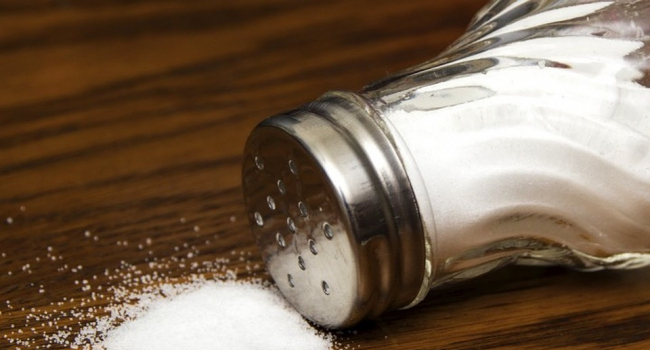
Researchers from the Finnish Institute of Health and Welfare have found that people who consume a lot of salt are more likely to develop general or abdominal obesity. The results of the study will be presented at the European Congress on Obesity May 11-14 (ECO 2025, Spain).
The study involved 2,222 men and 2,792 women aged 18 years and older. The subjects were asked to detail their diet to assess sodium intake (a component of table salt). Some of the participants (558 men and 702 women) also had urine samples taken - the urine retains the products of salt processing.
In the second step, waist circumference and weight were measured in all participants. The results showed that the average daily sodium intake was 12 grams in men and nine grams in women. It is noted that the World Health Organization recommends consuming up to five grams.
The scientists also found that salt-lovers and participants with high concentrations of sodium in their urine were more likely to develop general or abdominal obesity - the deposition of fat in the torso and internal organs. Researchers calculated that women who actively consumed sodium had a 4.3-fold increased risk of general obesity and a 3.4-fold increased likelihood of abdominal obesity. For men, the increased risk was 6.0 and 4.7 times, respectively.
The scientists noted that no link was found between salt abuse and ultra-processed foods (chips, fast food, salty sauces). This suggests that excess sodium affects body weight through unexplored mechanisms.





