make preferable
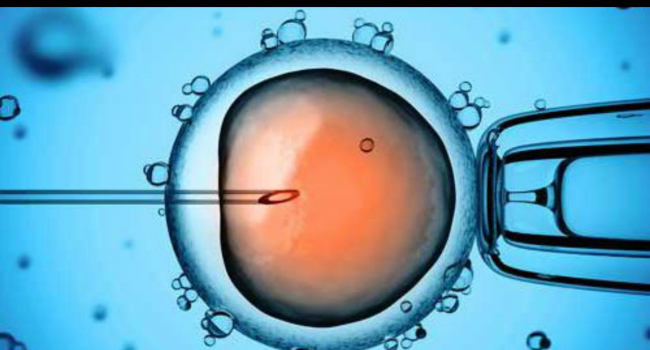
Sperm from a man carrying a rare cancer-causing mutation was used to conceive at least 67 children, 10 of whom have since been diagnosed with cancer, raising concerns over the lack of internationally agreed limits on the use of donor sperm, *The Guardian* reports.
Experts have previously warned about the social and psychological risks of using sperm from a single donor to conceive a large number of children across different countries.
This case, involving dozens of children born between 2008 and 2015, has sparked new concerns about the difficulty of tracking such a large number of families when serious medical issues arise.
“We need to establish a European limit on the number of births or families per donor,” said Dr. Edwige Kaeser, a biologist at Rouen University Hospital in France, who presented the case at the annual conference of the European Society of Human Genetics in Milan.
The case came to light when two families independently approached their fertility clinics after their children developed cancer, which appeared to be linked to a rare genetic variant. The European Sperm Bank, which supplied the sperm, confirmed that a gene variant called *TP53* was present in some of the donor’s sperm.
At the time of donation in 2008, it was not known whether the rare variant was linked to cancer, it could not be detected through standard screening methods, and the donor was believed to be in good health.
However, analysis by Kaeser’s lab revealed that the mutation likely causes Li-Fraumeni syndrome, one of the most severe hereditary cancer predispositions.