
 make preferable
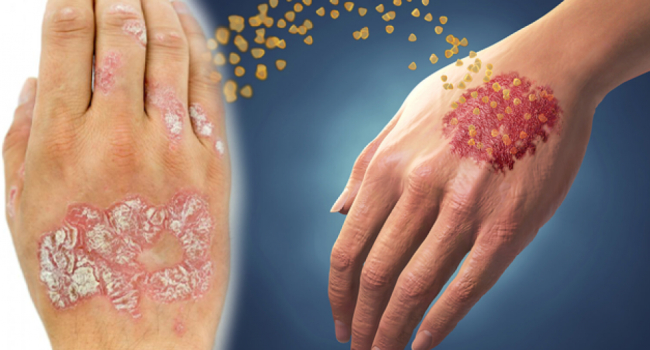
A new study published in the Journal of Investigative Dermatology (JID) has shown that fat deposits in the abdominal area may be a more significant risk factor for psoriasis than overall body fat percentage.
Researchers from King’s College London analyzed data from over 330,000 people and concluded that visceral (abdominal) fat correlates most strongly with the onset of this skin disease.
Key Findings of the Study:
- Waist fat is more dangerous than general obesity — especially for women.
- The association persists even when accounting for genetic predisposition.
- Visceral fat may act as an independent trigger of inflammation, exacerbating the course of psoriasis.
Scientists propose including waist circumference measurement in standard psoriasis risk assessment protocols. This could aid in early diagnosis and prevention of the disease.
Treatment Perspectives:
The article discusses the potential use of incretin-based drugs (such as GLP-1 receptor agonists), which are already used in the treatment of diabetes and obesity. These medications may become part of a comprehensive approach to managing psoriasis.
The study underscores the importance of controlling abdominal fat not only for metabolic health but also for reducing the risk of chronic inflammatory diseases, including psoriasis.





