
 make preferable
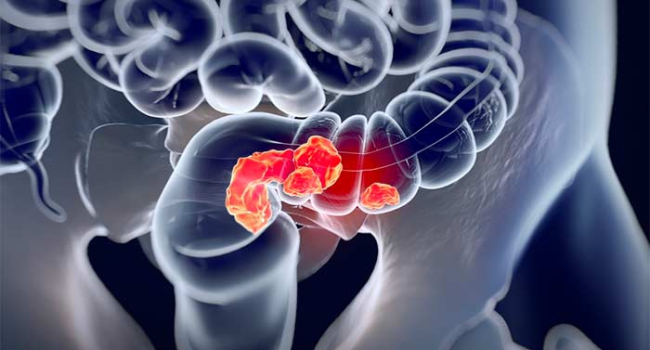
Researchers at Weill Cornell Medical Center have found that when cancer spreads through the body, tumor cells undergo important changes that increase their genetic complexity and resistance. The findings are published in the journal Nature Genetics.
The scientists analyzed more than 3,700 tumor tissue samples from patients with 24 different types of cancer. Biopsies were taken at different periods of the disease from both primary tumors and metastatic foci. For genetic analysis, a proprietary MSK test was used to accurately detect differences in the DNA structure of tumor cells.
It turned out that as the cancer metastasizes, it is not primarily point mutations that accumulate, but rather changes in the number of copies of genome regions (CNAs). Particularly significant was the complete doubling of the genome - it was observed in almost a third of patients. This change creates backup copies of genes: one may mutate or be deleted, while the other remains functional, ensuring cell survival.
“Genome doubling is a way for cancer cells to increase their resistance. They sort of insure themselves by creating a spare set of genetic material,” explained lead study author Dr. Karena Zhao.
The scientists also noted another feature: unlike CNAs, a large number of mutations increases the visibility of tumors to the immune system, because it leads to the production of abnormal proteins. In contrast, cancers with a predominance of CNAs appear to be more “secretive,” making such tumors less sensitive to immunotherapy.
The study authors believe their work opens up new approaches to treating metastatic cancer. In particular, they suggest focusing on strategies aimed at suppressing the genetic instability of tumors or altering their microenvironment, which may increase the effectiveness of therapy and prevent treatment resistance.





