
 make preferable
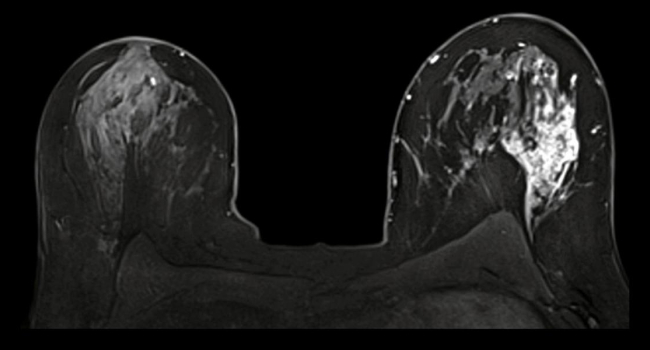
Scientists at the Hong Kong University of Science and Technology have developed a neural network called MOME that can detect breast tumors from MRI images, reports the South China Morning Post.
This model is based on medical data from China, which makes it particularly effective in the context of the healthcare system.
Breast cancer remains one of the most common cancers among women. Early detection is the key to successful treatment, and new technologies can significantly improve this process. The new neural network model MOME has shown high accuracy not only in detecting tumors, but also in predicting the body's response to chemotherapy. This opens up new possibilities for a personalized approach to treatment.
MOME has already been successfully tested in ten hospitals in China, and according to researchers, its use has reduced the number of biopsies.
Biopsy is a method of taking various samples of cells and tissues from the patient's body (biopsy) for further laboratory research. Despite its high diagnostic value, it has a number of features. First of all, it is an invasive procedure that requires intervention in the body, which in itself can cause discomfort, pain, and sometimes complications. Another disadvantage is the possibility of obtaining false results. If the tissue sample is not taken from the most affected area, the pathology may go unnoticed, and the result will be false negative.
According to scientists, the use of MOME can speed up and facilitate diagnosis. However, despite the effectiveness of the algorithm, the final decision on each case is still made by the doctor, which reduces the risk of diagnostic errors.





