
 make preferable
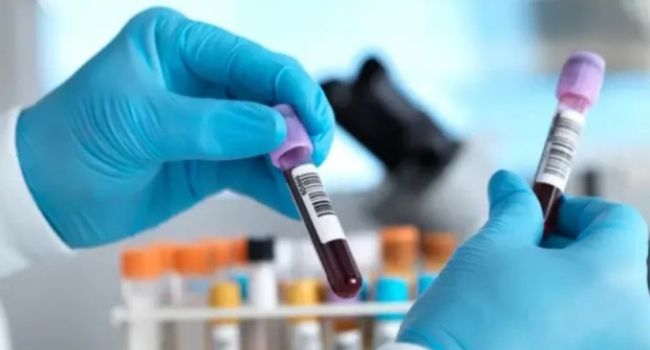
Scientists from South Korea's Sungkyunkwan University have identified three molecules that may slow the aging process of the skin. These compounds are produced by a rare bacterium called Paracoccus sanguinis (P. sanguinis) that lives in human blood. The findings of the respective study were published in the Journal of Natural Products.
Scientists have long studied how bacteria and their metabolites—byproducts of vital activity—affect human health. Of particular interest are indole compounds, which are known for their anti-inflammatory, antimicrobial, and rejuvenating properties. The bacterium that produces these compounds, P. sanguinis, was first discovered in the blood in 2015, but its potential has not yet been well studied.
“We became interested in P. sanguinis because blood-derived microbes are a relatively uncharted area of research,” says project leader, Professor Chung Sub Kim. “Given the unique environment of the bloodstream, we believed that studying individual species like P. sanguinis could reveal previously unknown metabolic function relevant to health and disease.”
The team grew large numbers of the bacteria and extracted a mixture of metabolites from them using modern analytical techniques, including spectrometry, isotope labeling, and computational technologies. As a result, the scientists identified 12 different indole compounds, six of which had not previously been described in the scientific literature.
The researchers then tested how these compounds affected human skin cells that had been exposed to oxidative stress, a condition in which reactive oxygen species damage collagen and cause inflammation. In the experiment, three indole metabolites—including two new one—significantly reduced the production of reactive oxygen species, an inflammatory levels of enzymes that break down proteins and collagen.
According to the study authors, the results open up prospects for the creation of new skin care products and the development of anti-aging therapies.





