make preferable
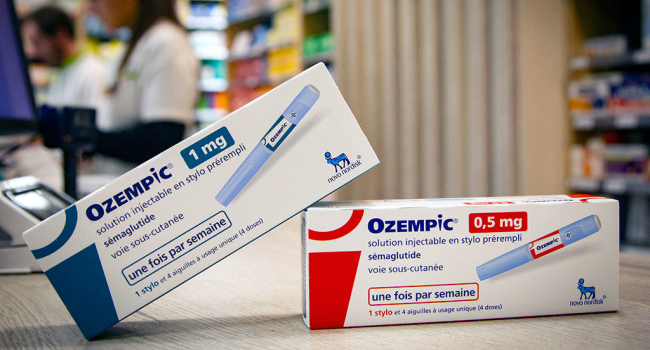
Duration of therapy, absence of diabetes, and muscle mass all influence the effectiveness of popular weight-loss medications. A study published in the journal Diabetes, Obesity and Metabolism revealed that the greatest effect from glucagon-like peptide-1 receptor agonists (GLP-1RAs), such as semaglutide (marketed as Ozempic and Wegovy), is observed in individuals with certain physiological characteristics.
Researchers analyzed data from 679 overweight and obese patients who used GLP-1RAs between November 2022 and October 2024. The best outcomes were seen in those who underwent longer treatment courses, used semaglutide specifically, did not have diabetes, and had a high percentage of body fat.
Additionally, successful weight loss was associated with a high metabolism, well-developed skeletal muscle (including abdominal and limb muscles), and elevated creatinine levels—a biomarker linked to muscle mass.
The authors note that these findings will help tailor treatment strategies more precisely for each patient. “We are moving towards personalized obesity therapy that takes into account the individual characteristics of each person’s body,” said Linon Ji from the People’s Hospital of Peking University.
Earlier research also found that Ozempic not only helps reduce blood sugar and weight but also protects the brain. Studies showed that GLP-1 class drugs, including semaglutide, significantly reduce the risk of dementia.