
 make preferable
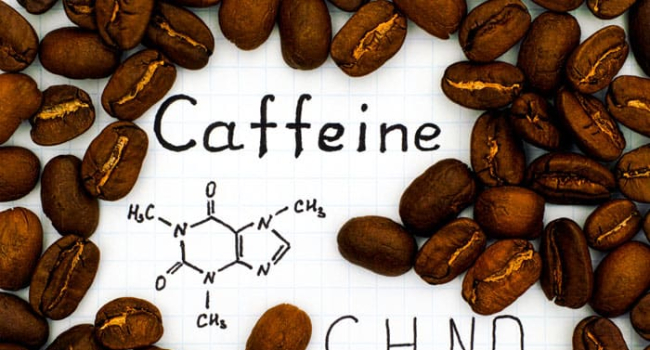
Food ingredients, including caffeine, can subtly affect the resistance of bacteria to antibiotics. This is the conclusion reached by researchers from the Universities of Tübingen and Würzburg. The results of the study are published in the journal PLOS Biology.
During the screening, the team of scientists tested 94 different compounds - from antibiotics and prescription drugs to food components. They found that different dietary components can systematically affect gene expression in the bacterium Escherichia coli (E. coli). These genes control the operation of transport proteins, which regulate which molecules get inside the bacterial cell and which ones get out.
The researchers paid special attention to caffeine. It turned out that it activates the gene-regulator Rob, triggering a cascade of changes in the transport system of E. coli. This, in turn, reduces the absorption of antibiotics, such as ciprofloxacin, and weakens their effect. This interaction is what the scientists call an antagonistic interaction.
The scientists noted that a similar effect was not observed in Salmonella enterica, a close relative of E. coli. Many serotypes of Salmonella enterica are causative agents of human diseases, including typhoid fever, paratyphoid, and salmonellosis. This emphasizes that even similar microorganisms can have different responses to external stimuli - likely due to the way their transport systems work.
The scientists emphasize: understanding “low-level” resistance - caused not by mutations but by behavioral adaptations in bacteria - could play a key role in developing new approaches to treating infections.





