
 make preferable
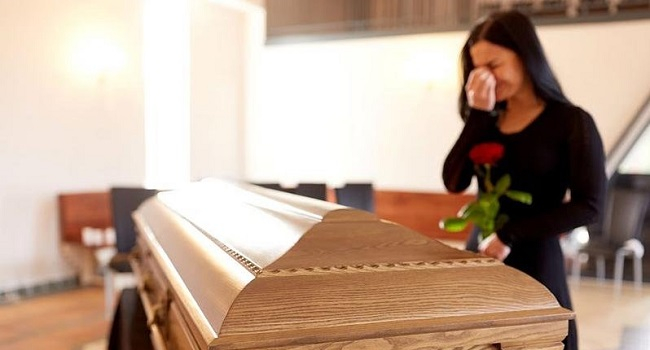
According to a new study, people who experience intense grief over the loss of a loved one are nearly twice as likely to die within ten years of the loss.
Findings published in the journal Frontiers in Public Health show that those whose grief remained consistently high in the first years after losing a loved one had an 88% higher risk of dying within the following decade.
The results also indicate that these individuals were nearly three times more likely to receive psychiatric care, such as talk therapy, over five times more likely to be prescribed antidepressants, and more than twice as likely to receive sedatives or anticonvulsants.
For the new study, researchers surveyed over 1,700 men and women in Denmark who had experienced a major loss, with an average age of 62. Among them, 66% had lost a partner, 27% a parent, and 7% another loved one. Participants completed a questionnaire assessing their grief levels over the first three years following their loss.
The results showed that about 6% of participants had persistently high levels of grief, which remained strong despite the passage of time, while 38% had consistently low levels. Another 47% initially experienced severe or moderate grief that gradually lessened.
Over a 10-year follow-up, researchers found that those with intense and enduring grief were more likely to die prematurely and to require psychiatric support.





