
 make preferable
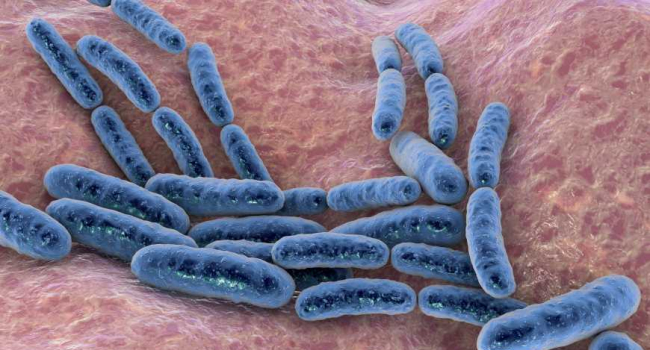
Researchers from UC Davis Health have discovered that a molecule produced by gut bacteria can repair a damaged liver and heal the intestinal wall after exposure to aflatoxin — a mold toxin commonly found in peanuts, corn, and other crops. The study was published in the journal mBio.
The compound in question is 10-hydroxy-cis-12-octadecenoic acid (10-HSA), produced by bacteria of the Lactobacillus genus. In mouse experiments, the substance completely reversed liver and intestinal damage caused by aflatoxin B1: the intestinal epithelial barrier was restored, levels of key bile acids normalized, liver functions related to metabolism and detoxification improved, and immune processes in the gut stabilized.
10-HSA activates the protein PPARα, which regulates fat metabolism, and works without the side effects of synthetic drugs. Scientists hope this molecule could serve as the basis for a safe supplement to prevent and treat liver damage, especially in regions with a high risk of aflatoxin contamination in food products.
The team’s next step is to prepare for clinical trials in people with fatty liver disease or metabolic disorders. The authors emphasize that the discovery could be a step toward creating “microbiome-based medicines” that work with maximum precision and safety.





