
 make preferable
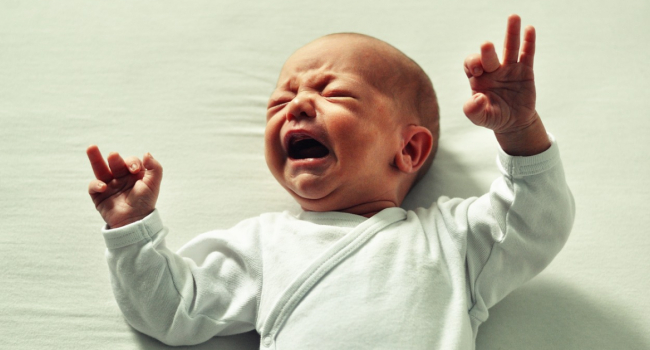
Studies have shown that the cries of infants, especially when stressed, can cause a physiological response in adults, leading to an increase in facial skin temperature.
Using thermal imaging cameras, scientists found that when listening to recordings of crying babies, the participants in the experiment experienced a rapid rush of blood to the face, which increased skin temperature.
The effect was more pronounced and synchronized when the babies were under more stress, producing more chaotic and disharmonious cries. This suggests that people automatically respond to certain characteristics in cries that intensify when babies are in pain.
Professor Nicolas Matevon of the University of Saint-Étienne in France noted that the emotional response to cries depends on their “acoustic roughness.” We are emotionally sensitive to the acoustic parameters that encode the level of pain in an infant's cry.
The study, published in the Journal of The Royal Society Interface, emphasizes that humans are evolutionarily tuned to perceive these distress signals, allowing us to respond quickly emotionally and physiologically.
Both sexes demonstrated similar sensitivity, challenging traditional notions that women are more sensitive to infant cries.
Previous studies have shown that men and women wake up equally often to an infant's cry, even though mothers are three times more likely to get up and care for the child.





