
 make preferable
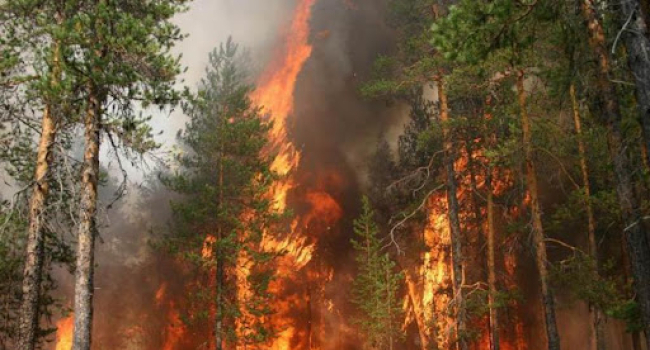
As wildfires in the western United States grow larger and more frequent, scientists from Colorado, Utah, and California are studying how smoke affects air quality and health.
A new study, published in the journal Atmospheric Environment, shows that major wildfires — such as those in Colorado, Oregon, and California — generate significant amounts of ozone in the atmosphere.
This not only worsens lung health but also contributes to global warming.
The research team, led by Derek Mallia of the University of Utah and Professor Jan Mandel of the University of Denver, used advanced models combining atmospheric chemistry, weather forecasting, and wildfire simulations.
They focused on the large 2020 wildfires: between August 15 and 26, more than one million acres burned across seven northern California counties, with additional fires in Utah and Oregon. Residents of Colorado experienced heavy smoke, prompting poor air quality warnings.
Although wildfires do not directly emit ozone, their smoke contains chemical compounds that, under sunlight, react to form ozone — sometimes far from the fire’s origin.
On average, wildfire smoke increased ozone levels by about 21 parts per billion on top of already high background levels. This can push ozone concentrations above the U.S. Environmental Protection Agency’s standard of 70 ppb.
High ozone levels pose serious health risks: they can cause coughing, reduced lung function, cardiovascular disease, and even premature death.





