
 make preferable
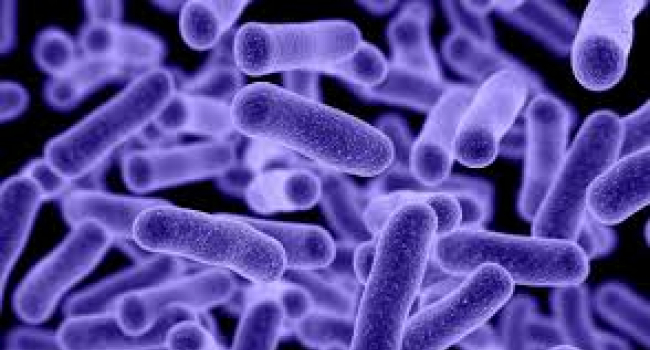
Scientists have discovered that “good” gut bacteria—particularly those of the Lactobacillus genus—may have a positive impact on placental development in pregnant women. The findings were published in the Journal of Translational Medicine.
Women whose gut microbiota was dominated by these bacteria showed higher expression of genes responsible for key placental functions, such as nutrient transport and protection against oxidative stress.
The study involved several groups of women at different stages of pregnancy. Researchers analyzed stool samples to assess microbiota composition and placental tissue samples (after delivery) to study gene expression. They found a correlation: the greater the abundance of Lactobacillus in the gut, the higher the activity of genes associated with vascular growth, immune regulation, and antioxidant defense in placental tissue.
The authors emphasize that this finding is important because a healthy placenta is essential for normal fetal development and for reducing the risk of pregnancy complications. They believe that manipulating the microbiota—through probiotics or diet—may offer a promising approach to improving placental function and preventing gestational pathologies.
However, the researchers also caution that these are only correlational findings, and causality has not yet been established. Further studies, including interventional ones, are needed to determine whether an increase in “good” bacteria truly leads to placental improvements and how strongly this may affect pregnancy outcomes.
Follow NEWS.am Medicine on Facebook and Twitter.





