
 make preferable
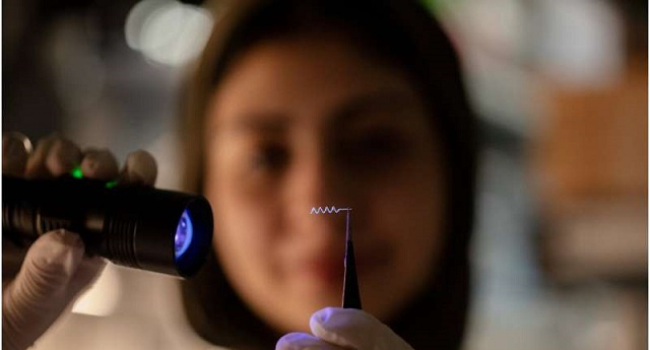
Scientists at New York University Abu Dhabi have developed a new type of brain implant capable of delivering drugs simultaneously to multiple regions of the brain with high precision.
The device, named SPIRAL (Strategic Precision Infusion for Regional Administration of Liquid), is a thin, flexible tube with openings distributed along its length, allowing medication to be delivered locally to different tissue areas. This design enables coverage of larger and more complex brain regions than traditional delivery methods, while maintaining a minimally invasive approach.
The study, published in the Journal of Neural Engineering, shows that the implant does not cause elevated levels of inflammation compared to standard instruments — a crucial factor for long-term use. The team used computer modeling along with laboratory testing to optimize fluid distribution through the openings and ensure precise delivery.
According to the authors, SPIRAL addresses a key limitation of existing implants, which are often restricted to just one or two injection points. Thanks to its spiral design with evenly spaced outlets, the device can cover more tissue from a single entry channel.
Researchers also highlight the potential to adapt SPIRAL for electrical stimulation or other therapeutic interventions, which could prove useful in treating neurological conditions such as epilepsy, Parkinson’s disease, and others.





