
 make preferable
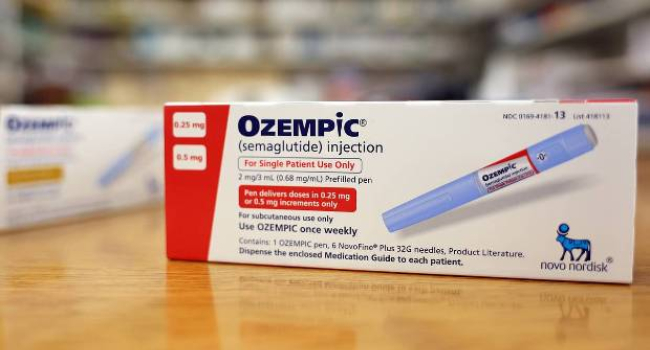
GLP-1 class medications designed for weight loss, such as Ozempic, reduce respiratory strain and protect against fatal outcomes from sleep apnea, according to U.S. researchers. The findings were presented at the American College of Chest Physicians (CHEST 2025) annual conference in Chicago.
The researchers analyzed health data from 1.8 million people, including both patients with type 2 diabetes and individuals with normal blood sugar levels. They also determined whether participants suffered from sleep apnea.
Sleep apnea is a breathing disorder characterized by brief pauses in breathing during sleep. These pauses can last from a few seconds to several minutes and may occur multiple times throughout the night.
The condition is dangerous because frequent interruptions in breathing reduce oxygen supply, increasing the risk of cardiovascular complications such as heart attack, stroke, arrhythmia, and ischemic heart disease, and it can even lead to sudden death.
The study found that among patients with sleep apnea receiving GLP-1 therapy, the risk of death was reduced 2.5 times compared to those not taking these medications. Researchers believe that the drugs improve metabolism, reduce body weight, and decrease respiratory load, thereby mitigating the consequences of sleep disturbances.
According to the scientists, these findings could change the approach to prescribing GLP-1 therapy, with sleep apnea potentially becoming an additional indication for its use. Future research will investigate the mechanisms behind this effect and assess whether it persists with long-term use.





