
 make preferable
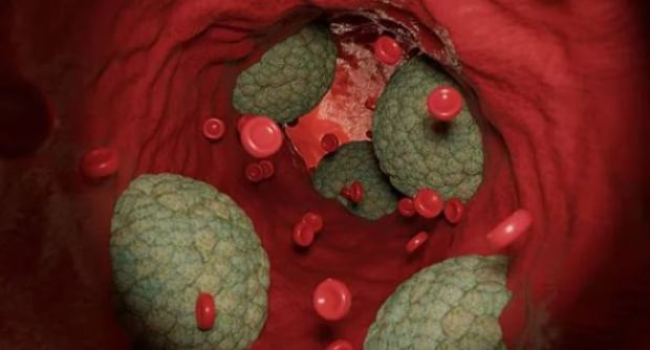
A new study conducted by researchers at McMaster University has shown that hidden fat deep inside the abdomen and in the liver can silently damage arteries even in people who appear healthy. The findings, published in Communications Medicine, challenge the long-standing reliance on body mass index (BMI) as a measure of obesity and offer a new perspective on how hidden fat contributes to cardiovascular disease.
It is well known that visceral fat (the fat that surrounds internal organs) and liver fat (fat stored in the liver) increase the risk of type 2 diabetes, high blood pressure, and heart disease. However, their impact on arterial health has been studied far less, Planet Today reports.
Using advanced MRI methods and data from more than 33,000 adults in Canada and the UK, the researchers found that visceral and liver fat are strongly associated with the thickening and blockage of the carotid arteries in the neck. These arteries supply blood to the brain, and their narrowing is a major predictor of stroke and heart attack.
“This study shows that even after accounting for traditional cardiovascular risk factors such as cholesterol and blood pressure, visceral and liver fat still contribute to arterial damage,” said study co-author Russell de Souza of McMaster University. “These results are a wake-up call for both clinicians and the public.”
The research team analyzed data from two major cohorts: the Canadian Alliance for Healthy Hearts and Minds (CAHHM) and the UK Biobank, using MRI to assess fat distribution and arterial health. They found that visceral fat was consistently associated with plaque buildup in the carotid arteries and with arterial wall thickening, while liver fat showed a weaker but still significant association. Importantly, this link persisted even after the researchers adjusted for lifestyle and metabolic risk factors.
The implications are far-reaching. For physicians, the findings highlight the need to go beyond BMI and waist circumference and incorporate imaging-based assessments of fat distribution. For middle-aged adults, they serve as a reminder that hidden fat — not just visible weight — may silently increase the risk of cardiovascular disease.
“You can’t always tell by looking at someone whether they have visceral or liver fat,” said co-author Sonia Anand of McMaster University. “This type of fat is metabolically active and dangerous; it is associated with inflammation and arterial injury even in people without visible excess weight. That’s why it is so important to rethink how we assess obesity and cardiovascular risk.”





