
 make preferable
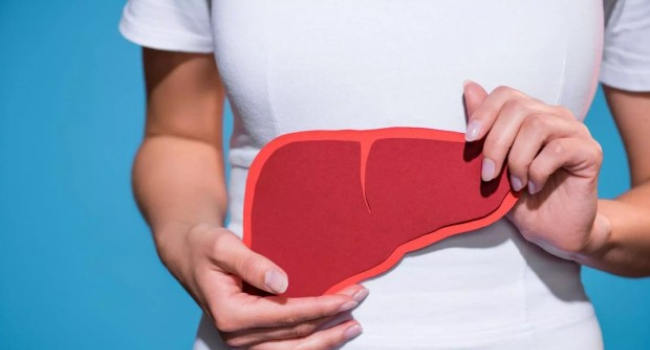
Henna is known worldwide as a natural dye for hair and skin. However, it turns out that it could become a key component in a new drug for liver fibrosis.
Researchers from Osaka Metropolitan University in Japan have found that one of the components of the Lawsonia inermis plant, Lawsone, can prevent the development of fibrous tissue in the liver and even reverse this process. The respective study was published on sciencedirect.com.
Liver fibrosis can develop as a result of alcohol abuse or obesity. In this condition, the liver slowly but steadily loses its function, and hard connective tissue forms instead of healthy cells. This increases the risk of cirrhosis, liver failure, and even liver cancer. According to statistics, up to 4% of the population suffers from severe forms of fibrosis, but effective treatments are not yet available.
A group of Japanese researchers developed a chemical screening system that identifies substances directly affecting liver stellate cells, which play a key role in the fibrosis process. These cells are responsible for regulating liver balance; but when damaged, they become overactive and produce excess collagen.
The aforesaid researchers tested hundreds of compounds and found that Lawsone, the natural pigment that gives henna its characteristic color, can suppress the activity of stellate cells. This was confirmed in experiments on rodents. When the pigment was administered to these animals, the concentrations of proteins associated with fibrosis significantly decreased. At the same time, the level of cytoglobin, a protein with antioxidant properties characteristic of healthy liver cells, increased. In other words, the cells returned to their natural, “sleep” state.
Researchers are now developing a drug delivery system to help accurately target the medication to the activated cells.
In the near future, this development could serve as a basis for treating liver fibrosis and other pathologies related to excessive connective tissue formation.





