make preferable
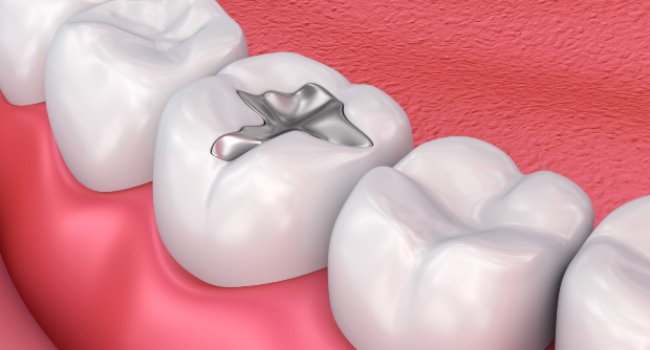
In the coming years, the use of mercury-based dental fillings may be completely discontinued, according to experts analyzing recent developments in dentistry and environmental protection, AFP reports.
Researchers estimate that more than forty countries have already begun or fully completed their transition away from mercury-containing amalgam, replacing it with safer alternatives.
Dental amalgam has traditionally been used for decades due to its durability and low cost. However, mercury—a key component—has been recognized as a toxic substance posing risks to both human health and ecosystems. This is particularly concerning when it comes to the disposal of medical waste and contamination of water sources.
According to new data, European Union countries plan to completely ban mercury fillings by 2025. This measure aligns with the Minamata Convention, an international treaty aimed at gradually reducing mercury use worldwide.
Some nations, especially those with limited resources, still rely on amalgam, as alternative materials are more expensive and require specialized equipment. Nevertheless, an increasing number of dental associations and training institutions are switching to modern composite and glass ionomer materials, which are not only safer but also offer a more natural tooth appearance.
Experts emphasize that phasing out mercury fillings is not only an environmental issue but also an ethical one: modern dentistry must take into account the long-term impact of its methods on both people and the planet.