
 make preferable
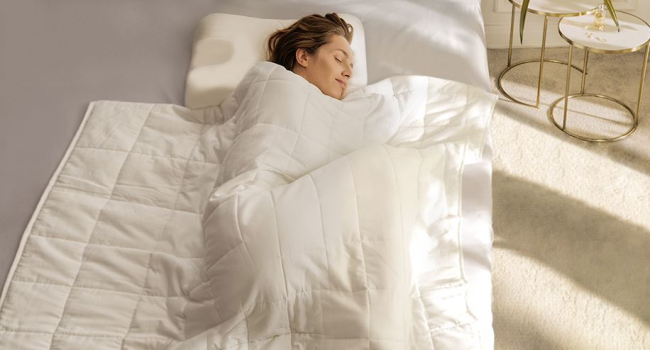
Weighted blankets — thick quilts filled with glass beads or plastic pellets — promise relief from anxiety and insomnia. Celebrities and bloggers claim that using them leads to better sleep and a calmer mind. However, scientists warn that the effects of these blankets are not as clear-cut as advertisements suggest, reports The Conversation.
The principle is simple: even pressure on the body creates a sensation of being hugged or protected, an effect specialists call deep touch stimulation. Typically, a weighted blanket weighs about 10% of the user’s body weight.
Scientific evidence does suggest some benefits — but with caveats. In one study involving 120 psychiatric patients, weighted blankets helped reduce insomnia symptoms in individuals with depression, anxiety disorders, and ADHD. Other studies found that about 60% of participants experienced reduced anxiety.
However, all these studies were conducted on people with diagnosed mental health conditions. For healthy users, there is no convincing evidence of effectiveness. Reviews indicate that in control groups without sleep or anxiety issues, no statistically significant improvements were observed. Moreover, about half of the publications do not meet rigorous quality standards, casting doubt on the scale of marketing claims.
Nevertheless, weighted blankets may benefit certain groups, such as shift workers who need to sleep during the day — healthcare workers, pilots, or emergency responders. They can help users relax more quickly and fall asleep faster. The placebo effect also plays a role: if someone genuinely feels calmer under a weighted blanket, that alone can improve sleep quality.
There are also contraindications. People with respiratory or heart conditions, circulatory problems, high blood pressure, diabetes, or claustrophobia should consult a doctor before use. Weighted blankets are not recommended for children or anyone unable to remove the blanket independently.
Overall, specialists consider weighted blankets safe but overrated as a sleep aid. They do not replace proper rest, sleep hygiene, or psychotherapy, but can be a pleasant addition to an evening relaxation routine.





