
 make preferable
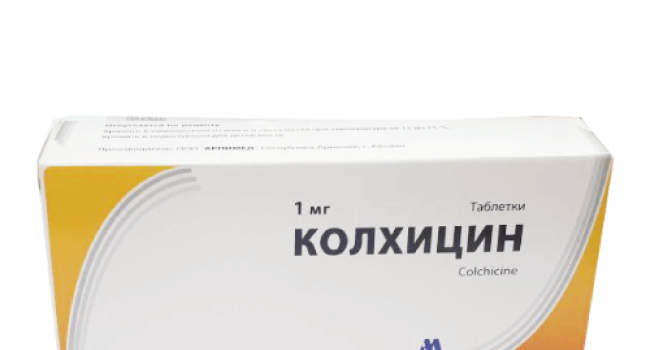
An inexpensive and long-established gout medication — colchicine — may significantly reduce the risk of heart attack and stroke in patients with cardiovascular disease. This conclusion was reached by researchers who analyzed data from nearly 23,000 patients. The results were published in the Cochrane Database of Systematic Reviews.
Colchicine has traditionally been used to treat gout because of its pronounced anti-inflammatory properties. But chronic low-grade inflammation is one of the key factors accelerating the progression of cardiovascular disease and increasing the likelihood of recurrent cardiac events.
The review included 12 randomized controlled trials in which patients took low-dose colchicine — 0.5 mg once or twice daily — for at least six months. Participants had a history of heart attack, stroke, or a diagnosed cardiovascular condition. The average age ranged from 57 to 74, and about 80% of participants were men. Half of the volunteers received colchicine in addition to standard therapy, while the others received a placebo or their usual treatment alone.
The results were notable: there were 9 fewer heart attacks and 8 fewer strokes per 1,000 patients compared with the control groups. Researchers did not observe any serious side effects. The only noticeable drawback was mild gastrointestinal discomfort, which resolved quickly.
“Among 200 patients with cardiovascular disease, where typically about seven heart attacks and four strokes would be expected, using low-dose colchicine may prevent roughly two of these events,” said study co-author Dr. Ramin Ebrahimi of the University Medicine Greifswald. “Colchicine is inexpensive, widely available, and well studied. That’s why it is suitable for secondary prevention of cardiovascular disease, especially in countries with limited resources.”





