
 make preferable
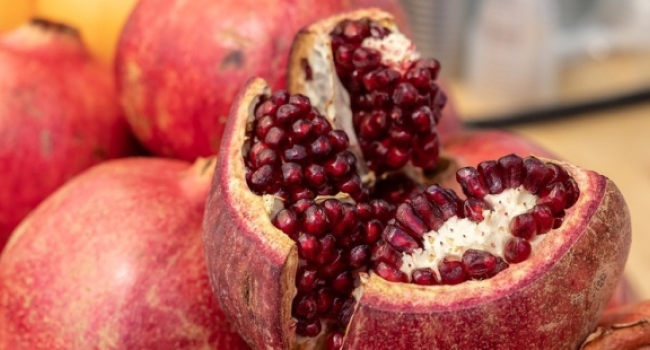
Urolithin A, a metabolite produced in the intestine after consuming pomegranates and walnuts, may mitigate age-related changes in the immune system, according to a study published in the scientific journal Nature Aging.
The randomized study involved 50 participants aged 45 to 70. Over the course of 28 days, these volunteers took 1000 mg of urolithin A or a placebo daily. One month after starting treatment, participants who received the active compound showed an increase in the number of “naive” CD8+ T cells. CD8+ cells are functional young cells whose numbers typically decline with age.
Also, researchers found that immune cells in the first group exhibited fewer signs of exhaustion overall and shifted toward a more “youthful” metabolic profile, using fatty acids more actively as an energy source.
Metabolic profiling and single-cell sequencing confirmed that urolithin A stimulated mitochondrial renewal and modulated immune pathways associated with inflammation and aging. Although the changes were relatively small, researchers emphasized their stability and biological significance.
The authors of this study note that even a short course demonstrated real potential to intervene in immune system aging.
However, larger and longer-term clinical trials are needed to evaluate long-term effects and practical applicability.





