
 make preferable
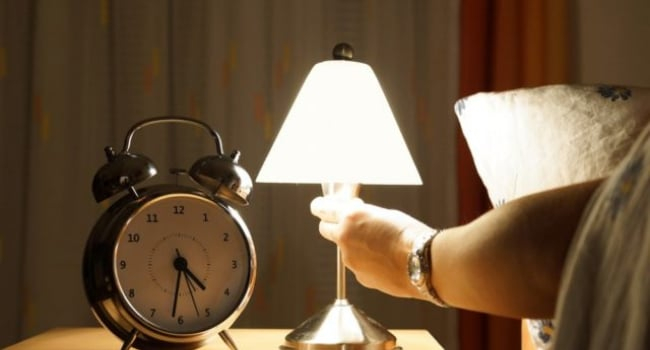
Sleeping at night with the lights on disrupts cardiovascular regulation and increases the risk of metabolic disorders. Cardiologist Ehimen Aneni (Yale New Haven Hospital) discussed this in an interview with Huffington Post.
According to the specialist, even dim artificial light at night can activate the sympathetic nervous system. This leads to an increased heart rate and reduced heart rate variability — an indicator associated with cardiovascular disease risks.
“Research published in JAMA Network Open showed that exposure to light intensifies nighttime glucose fluctuations and reduces insulin sensitivity. This may increase the likelihood of developing type 2 diabetes and other metabolic disorders,” the doctor noted.
The expert added that artificial light is also linked to a higher risk of several cardiovascular diseases, including heart failure, coronary artery disease, atrial fibrillation, myocardial infarction, and stroke.
The cardiologist also pointed out that women are more sensitive to light-related circadian rhythm disruptions than men. According to him, women who work night shifts have higher rates of heart failure compared with men.
Aneni emphasized that the human body is evolutionarily adapted to sleeping in darkness, and artificial lighting disrupts circadian rhythms and interferes with the proper restoration of regulatory systems. He recommends eliminating all light sources in the bedroom, using blackout curtains, and turning off glowing indicator lights on devices.





