
 make preferable
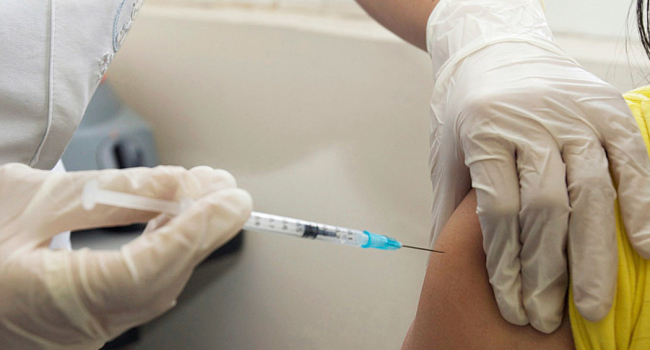
An international team of scientists has presented the most convincing evidence to date that vaccination against the human papillomavirus (HPV) effectively prevents cervical cancer and precancerous lesions — especially when the vaccine is administered before the first exposure to the virus. The study was published in the Cochrane Library.
The authors noted that among girls vaccinated before the age of 16, the risk of developing cervical cancer decreases by 80%. At the same time, the vaccines show a high level of safety — the most common side effects are short-term pain and redness at the injection site.
The researchers’ first analysis covered 60 randomized studies involving more than 157,000 participants. It confirmed that all available vaccines — Cervarix, Gardasil, and Gardasil-9 — reliably protect against infections caused by high-risk HPV types responsible for cervical, vaginal, vulvar, and anal cancers, as well as certain head and neck tumors.
Although cancer development can take years, studies have already shown a sharp decline in the incidence of precancerous lesions (CIN2+ and CIN3+) in people aged 15–25, as well as a reduced need for surgical treatment of HPV-related conditions. Serious side effects were rare and occurred at roughly the same rate in both vaccinated and unvaccinated groups.
The second analysis included 225 studies from various countries and covered more than 132 million people. Its findings demonstrated that vaccination significantly reduces the incidence of both precancerous conditions and cervical cancer itself.
The strongest preventive effect was observed in those who received the first dose before age 16. In these groups, the risk of cancer decreased by 80%.
Если нужно, могу сделать более короткий, новостной или научный вариант.





