
 make preferable
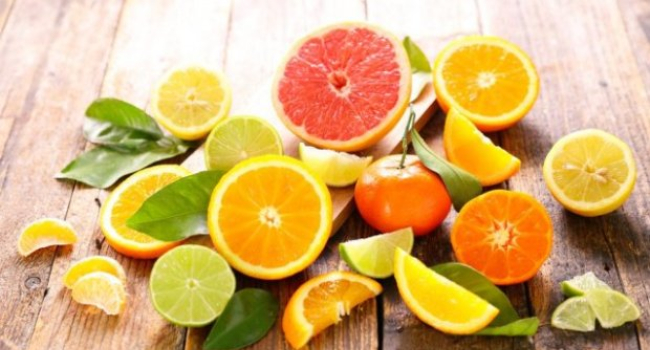
Polyphenolic compounds found in bergamot may protect the liver from excess fat and metabolic disorders, according to a research team from Magna Graecia University. In experiments on mice with metabolically associated steatotic liver disease (MASLD), triggered by frequent high-calorie snacks, the addition of bergamot extract significantly reduced liver fat accumulation as well as triglyceride and glucose levels. The study was published in the journal Nutrients.
For 15 weeks, the mice were fed a “human-style” high-calorie diet rich in sugar and fat. Some of the animals received the polyphenolic fraction of bergamot (BPF) in their drinking water. Without this supplement, the rodents developed pronounced fatty liver disease: the organ more than doubled in size, and levels of fat, glucose, triglycerides, and cholesterol sharply increased. In the BPF group, liver mass, fat content, and the number of lipid droplets in cells decreased, and blood parameters improved.
Researchers also found that bergamot polyphenols reduce fat synthesis and activate autophagy—a process of intracellular “clean-up” that helps remove excess lipids and damaged components. In the intestines of the mice, production of short-chain fatty acids, including butyrate, was restored; butyrate plays a protective role in metabolic disorders.
The authors note that these results are currently limited to experiments on a single laboratory animal line, so it is too early to draw conclusions about benefits for humans—clinical trials are needed.





