
 make preferable
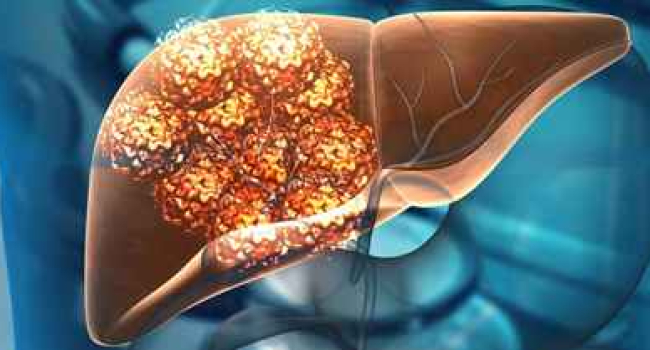
Scientists have developed a simple formula based on a routine blood test that can identify patients at increased risk of developing liver cancer long before the disease appears. The assessment method, called the SAFE score, relies on easily accessible data: the patient’s age, body mass index, presence of diabetes, liver enzyme levels, platelet count, and globulin concentration.
The study, published in JAMA Network Open, included nearly 13,000 patients with various chronic liver diseases. Researchers found that individuals with a high SAFE score (100 or above) have approximately a 7.5-fold higher risk of liver cancer compared with those with lower scores.
The formula also proved to be universal: it accurately predicted risk regardless of the underlying cause of liver disease—whether viral hepatitis, alcohol-related damage, or fatty liver disease. Moreover, even in patients without cirrhosis but with other chronic liver conditions, a high SAFE score indicated a significant risk of developing cancer.
The authors of the study believe that the SAFE score could become an important tool in clinical practice. It helps physicians determine which patients require especially close monitoring and regular screenings to detect liver cancer at an early and more treatable stage.





