
 make preferable
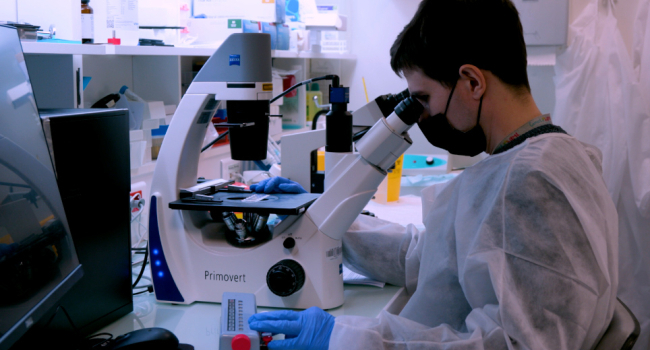
Researchers have unveiled the first global catalog of human pluripotent stem cell (hPSC) lines suitable for clinical use, a development that could accelerate the creation of new stem cell–based therapies. The article describing the catalog was published in the journal Stem Cell Reports.
These cells can differentiate into any cell type in the human body, making them especially valuable for regenerative medicine, disease modeling, and drug development. More than 100 clinical trials of hPSC-based products have already been launched worldwide, and the growing number of potential clinical products in early-stage development underscores the importance of selecting appropriate cell lines at the outset—since an incorrect choice can delay or completely halt drug development.
The global catalog was created by an international team of scientists seeking to systematize available data on hPSC lines suitable for clinical applications, including information on their origin, quality, and characteristics.
This resource helps researchers and companies more quickly identify and select suitable cell lines for specific therapeutic goals, while adhering to strict safety and efficacy standards. Such registries facilitate access to validated cell lines and reduce risks associated with variability in cellular properties—an especially critical issue given regulatory requirements for quality and clinical reproducibility.
Other resources already support this initiative, including the Human Pluripotent Stem Cell Registry (hPSCreg), a free global registry of pluripotent stem cell lines, as well as European iPSC banks that store and distribute high-quality cell lines.
The creation of this catalog also reflects current trends in the development of induced pluripotent stem cell (iPSC) technologies, which allow adult somatic cells to be reprogrammed and are widely used in regenerative medicine, disease modeling, and drug testing.
The authors expect that the global catalog of hPSC lines will become an important tool for scientists, clinicians, and biotechnology companies, increasing the speed, transparency, and reliability of cell therapy development and supporting the broader adoption of advanced treatments for patients worldwide.





