
 make preferable
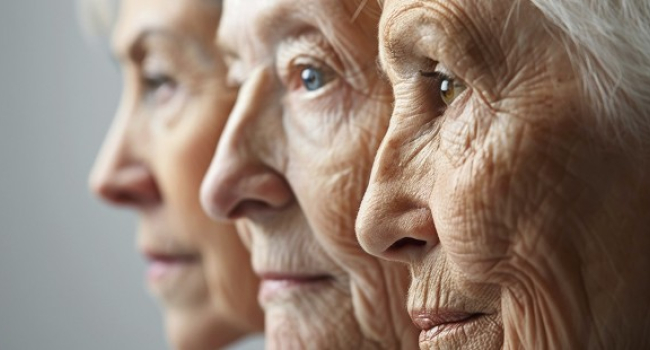
Elderly people with reduced muscle elasticity (sarcopenia) are more prone to cognitive decline and emotional deterioration compared with their peers, researchers from Saratov State Medical University (Russia) have explained. The findings of their respective were published in the Russian Journal of Geriatric Medicine.
During age-related sarcopenia, muscle strength decreases, causing older adults to tire quickly from ordinary activities, such as bending to pick something up or tying shoelaces, RIA Novosti reports. Also, people often experience breathing difficulties because the diaphragm muscles weaken, according to researchers at Saratov State Medical University.
They found that every second patient with sarcopenia and breathing difficulties has depression and cognitive decline, including the development of Alzheimer’s disease. These two symptoms enable an elderly person to be classified as having the so-called Slowing phenotype, which is often accompanied by reduced walking speed, explained Victoria Sergeeva, Associate Professor at the Department of Cardiology, Functional Diagnostics, and Geriatrics at Saratov State Medical University.
“Elderly and frail individuals with this phenotype should receive special attention during consultations, using a comprehensive approach to address the patient’s health issues, involving various specialists, conducting thorough examinations, and quickly selecting a treatment combination to improve quality of life and extend lifespan,” Sergeeva added.
The aforesaid researchers analyzed health data from four groups of patients: those with sarcopenia, sarcopenic obesity (SO), those with excess weight not associated with muscle loss, and individuals without these conditions, Sergeeva explained. The findings showed that patients in the first two groups experienced cognitive decline and depression more frequently and severely.
“Developing simple diagnostic algorithms to identify patients with these problems that would be understandable to practicing physicians can improve the quality of geriatric care, since early diagnosis—and in some cases, prevention—is always linked to greater treatment success,” Sergeeva emphasized.
Early diagnosis of respiratory sarcopenia can strengthen rehabilitation programs targeting respiratory muscles and help patients recover and regain full health.





