
 make preferable
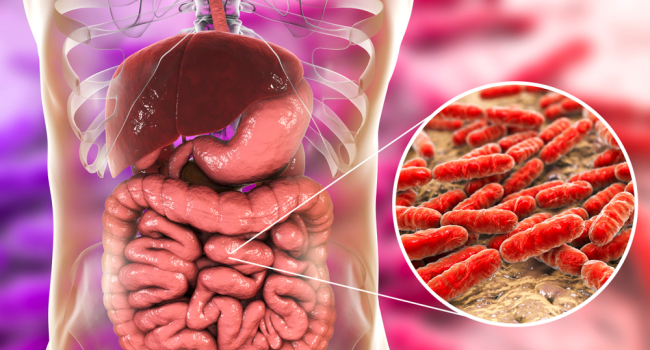
In patients with inflammatory bowel diseases (IBD), pronounced changes in the composition of the gut microbiota occur at the very beginning of the disease. This conclusion was reached by an international team of scientists who pooled data from more than 1,700 children and adults across 11 countries. The study was published in the journal Gastroenterology.
For the first time, researchers analyzed “raw” microbiome data from several independent studies, focusing on patients with newly diagnosed Crohn’s disease and ulcerative colitis—prior to the start of any treatment.
The analysis showed that at disease onset, the abundance of beneficial anaerobic bacteria in the gut—those involved in digesting complex carbohydrates and exerting anti-inflammatory effects—declines sharply. At the same time, the proportion of oxygen-tolerant bacteria increases; many of these normally inhabit the oral cavity and then “migrate” to the intestine.
According to one of the study leaders, gastroenterologist Peter Rimmer, such shifts had previously been hypothesized, but this research is the first to demonstrate them so clearly and on an international scale.
The findings support the so-called “oxygen hypothesis,” which suggests that elevated oxygen levels in intestinal tissues disrupt the balance of the microbiota and promote inflammation. The scientists also noted the appearance in the gut of bacteria from the genera Granulicatella and Haemophilus, which are not typically characteristic of this environment and may become new therapeutic targets.
The authors emphasized that microbiome changes differed between children and adults and also depended on geographic region, underscoring the need for global databases and unified analytical standards. According to the researchers, the identified patterns could ultimately form the basis for earlier diagnosis of IBD and the development of new treatment approaches, including non-pharmacological strategies aimed at modulating the microbiome.





